

Pre-sorting embroidery floss is defined as organizing your thread collection by manufacturer number, color family, or project need before you begin stitching. This practice is the single most effective step you can take to speed up your workflow and reduce errors. Stitchers who understand why stitchers pre-sort embroidery floss gain a real advantage: they spend less time hunting for colors and more time actually stitching. A Craft Industry Alliance survey found that 78% of embroiderers report better productivity and less frustration when their supplies are well organized. That number tells you this is not a minor convenience. It is a habit that directly shapes how much you enjoy your craft.
Why stitchers pre-sort embroidery floss by number
Numeric sorting is the most effective organizing method for 90–95% of pattern-based cross stitchers. The reason is simple: most embroidery patterns list thread colors by manufacturer code, not by name or shade. When your floss collection mirrors that same numeric order, matching threads to your pattern becomes almost instant.
Manufacturers like DMC and Anchor assign standardized thread numbers used universally across patterns worldwide. That standardization means a pattern calling for DMC 321 always refers to the same red, no matter who designed the chart. Sorting your stash to match that system removes all guesswork from project setup.
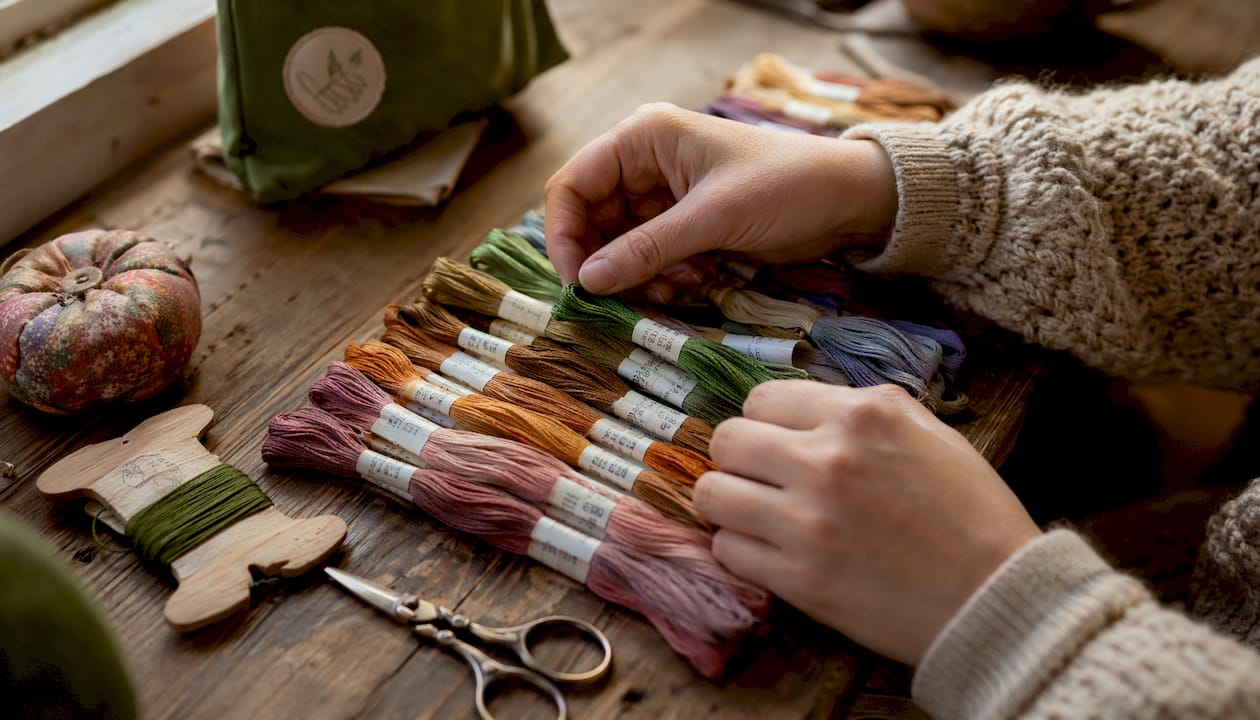
The efficiency gains are significant. Numeric sorting reduces prep time by 50–70% compared to digging through unorganized piles. That time adds up fast across a long project with 30 or 40 colors.
Here is what numeric sorting does for you in practice:
- Faster color matching: You flip straight to the right number instead of scanning every skein.
- Quick gap spotting: Missing colors stand out immediately when numbers are in sequence.
- Smarter shopping: You know exactly what you need before you visit the store or shop online.
- Fewer duplicate purchases: Routine inventory checks prevent buying colors you already own.
- Cleaner project setup: Pulling threads for a new pattern takes minutes, not half an hour.
If you stitch with specialty threads like variegated floss, sorting by manufacturer still applies. You can learn more about working with those threads in this guide to stitching with variegated floss.
What storage methods work best for pre-sorted floss?
The right storage method depends on your collection size and how you like to work. Three approaches cover most stitchers well: bobbins, floss boxes, and ziplock bags. Each has real advantages, and none requires a big budget to get started.
Bobbins and floss boxes work beautifully together. You wind each skein onto a plastic or cardboard bobbin, write the thread number on the bobbin, and slot it into a numbered compartment in a floss box. The result is a tidy, visible collection where every color sits in its own labeled spot. Clear labeling on each compartment speeds retrieval and cuts down on mistakes. The downside is setup time: winding bobbins takes patience, especially for a large stash.
Ziplock bags offer a faster path. You keep each skein in its original paper label inside a small bag, then sort the bags numerically in a binder or box. The ziplock method is about 50% faster to set up than winding bobbins. It also preserves the original dye lot information printed on the skein label, which matters when you need to buy more of the same color mid-project.
Digital tracking adds another layer of control. A simple spreadsheet or a dedicated crafting app lets you log every color you own, flag what you need, and avoid duplicate purchases. This works especially well for stitchers with large collections or those who work on multiple projects at once.
Pro Tip: Avoid overfilling compartments or bags. Overcrowded storage causes tangling and makes it harder to identify colors at a glance. Give each thread a little breathing room.
Choose your method based on how many skeins you own. A small collection of under 50 colors works fine in ziplock bags. A collection of 200 or more benefits from the structure of a labeled bobbin box.
How pre-sorting prevents mistakes and protects your stitching experience
Disorganized floss is one of the most common reasons stitchers abandon projects. Disorganized crafting supplies cause a 30% productivity decrease and a 50% increase in project abandonment rates. Those are not small numbers. They reflect real frustration that builds when you cannot find the right color or spend 20 minutes untangling a knot.
Pre-sorting protects your stitching flow in three specific ways:
- Eliminates color confusion: When threads are numbered and labeled, you grab the right one every time. No more second-guessing whether that blue is 798 or 799.
- Reduces tangling: Threads stored in individual compartments or bags stay separate. Tangling happens when loose skeins pile up together.
- Keeps projects moving: A sorted stash means you can sit down and stitch without a setup delay. That uninterrupted flow makes the hobby genuinely enjoyable.
There is also an emotional benefit worth naming. Sitting down to a tidy, organized stash feels good. It signals that you are ready to create, not ready to sort through chaos. That small psychological shift supports longer, more satisfying stitching sessions.
Pro Tip: Label new skeins the moment you bring them home. Waiting until later means you risk losing the number, especially if the paper label slips off. A quick label on a bobbin or bag takes ten seconds and saves real headaches later.
Step-by-step guide to pre-sorting your floss collection
Setting up a pre-sorted floss system takes one focused session. After that, maintenance is quick. Follow these steps to build a system that fits your collection and your habits.
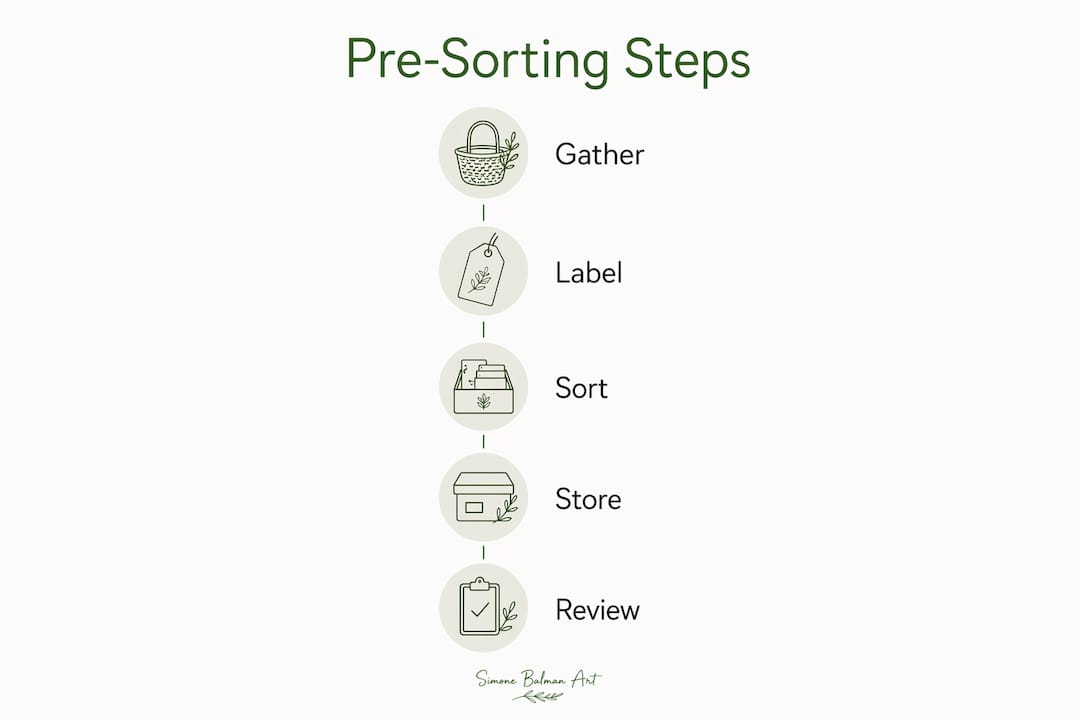
- Gather everything first. Pull all your floss together in one place. You cannot sort what you cannot see.
- Sort by manufacturer. Group DMC together, Anchor together, and any specialty brands separately. Mixing manufacturers in the same numeric sequence creates confusion because their numbering systems do not overlap cleanly.
- Sort numerically within each brand. Arrange threads from lowest to highest number. This mirrors how pattern thread lists are written, making future project prep fast.
- Identify unlabeled threads. Use a printed color chart or a digital color-matching tool to identify any skeins that have lost their labels. Pre-printed or custom labels improve accuracy and reduce mistakes when you re-label them.
- Choose your storage tool. Pick bobbins and a floss box, ziplock bags in a binder, or a combination of both. Match the method to your collection size.
- Wind or bag each skein. Work through your sorted piles systematically. Write the thread number clearly on every bobbin or bag.
- Log your inventory. Record what you own in a spreadsheet or app. Note quantities so you know when a color is running low.
- Return threads after every session. This single habit keeps your system intact. A thread left out of its spot is a thread that gets lost.
Pro Tip: Schedule a short inventory review every few months. Regular inventory checks help you spot missing colors before you start a new project, not halfway through it.
The table below shows which storage method suits different collection sizes and stitching habits.
| Collection size | Best storage method | Key advantage |
|---|---|---|
| Under 50 skeins | Ziplock bags in a small box | Fast setup, preserves dye lot info |
| 50–150 skeins | Bobbin box with labeled slots | Visible, tangle-free, easy to browse |
| 150+ skeins | Bobbin box plus digital inventory | Full control, prevents duplicate purchases |
| Project-specific | Small ziplock bags per project | Portable, keeps colors together per chart |
Key Takeaways
Pre-sorting embroidery floss by manufacturer number is the most effective way to cut prep time, prevent mistakes, and keep your stitching sessions enjoyable.
| Point | Details |
|---|---|
| Numeric sorting saves time | Organizing by thread number reduces prep time by 50–70% compared to unsorted piles. |
| Match your storage to your stash | Ziplock bags suit small collections; bobbin boxes work best for 50 or more skeins. |
| Label everything immediately | Labeling new skeins on arrival prevents lost numbers and color confusion later. |
| Regular reviews prevent gaps | Routine inventory checks help you spot missing colors before a project starts. |
| Organization protects enjoyment | Disorganized supplies increase project abandonment rates by 50%, making sorting a real creative investment. |
Why I think pre-sorting is the most underrated habit in cross stitch
When I first started stitching seriously, my floss lived in a tangled heap in a shoebox. I told myself I knew where everything was. I did not. I spent the first 20 minutes of every session just finding the colors I needed, and I abandoned two projects because I could not locate a thread I was sure I owned.
The shift happened when I sorted my entire stash numerically over one rainy afternoon. The difference was immediate and almost embarrassing. Setup for my next project took five minutes instead of half an hour. I actually sat down and stitched that evening instead of giving up and watching television.
What surprised me most was how much the organization changed my mood at the start of each session. A tidy stash feels like an invitation. A chaotic one feels like a chore. That emotional difference is real, and it directly affects how often you pick up your needle.
My honest advice: do not wait until your collection is “big enough” to organize. Start now, with whatever you have. The ziplock bag method costs almost nothing and takes less than an hour for a small stash. You can always upgrade to a bobbin box later. The habit of returning threads to their spot after each session is worth more than any storage product you can buy.
If you work on complex patterns with many colors, pre-sorting is not optional. It is the foundation that makes everything else work. You can read more about preparing for detailed projects in this guide to cross stitch finishing techniques.
— Simone
Your organized stash deserves beautiful patterns to match
An organized floss collection makes every new project feel exciting instead of stressful. When your threads are sorted and ready, the only thing left is choosing what to stitch next.
Simone Balman Art offers a growing collection of modern cross stitch patterns designed with clear charts and beautiful artwork, so your organized stash gets put to great use. The free fabric size calculator helps you plan each project before you cut a single piece of fabric. And if you want to know exactly how much floss a project needs, the floss calculator tool takes the guesswork out of shopping. A well-sorted stash paired with a well-designed pattern is one of the best combinations in this hobby.
FAQ
Why do stitchers pre-sort embroidery floss before starting a project?
Stitchers pre-sort floss so that thread numbers in their stash match the thread list in their pattern. This cuts setup time dramatically and prevents color mix-ups during stitching.
What is the best way to organize embroidery floss?
Numeric sorting by manufacturer code is the most effective method for pattern-based stitchers. It reduces prep time by 50–70% and makes it easy to spot missing colors before a project begins.
Is the bobbin method better than ziplock bags for floss storage?
Both work well, but the choice depends on your collection size and budget. Ziplock bags are about 50% faster to set up and preserve original dye lot information. Bobbin boxes offer better visibility for larger collections.
How often should I review my floss inventory?
A review every few months keeps your stash accurate and project-ready. Regular checks help you identify missing colors and avoid buying duplicates you already own.
Does floss organization really affect project completion?
Disorganized supplies increase project abandonment rates by 50%. A sorted, labeled stash removes the friction that causes stitchers to set projects aside and not return to them.


