

Seasonal cross stitch design types are collections of patterns inspired by specific seasons or months, helping crafters align their projects with the natural rhythm of the year. The two dominant formats are four-part seasonal series and twelve-month themed series, each offering a different pace and creative scope. Seasonal designs range from compact motifs of 42×56 stitches to grand samplers exceeding 190×190 stitches, meaning there is a format for every skill level and schedule. Whether you stitch for home décor, gifts, or personal joy, understanding these categories helps you plan projects that feel rewarding rather than rushed.
1. What are the main seasonal cross stitch design types?
Seasonal cross stitch patterns fall into two clear categories: four-part seasonal series and twelve-month themed series. Each type has a distinct rhythm and suits different crafting lifestyles.
Four-part seasonal series divide the year into spring, summer, autumn, and winter. Each installment is a standalone design that also connects visually to the others. Stitch counts typically range from moderate to large, making each piece a satisfying multi-week project.
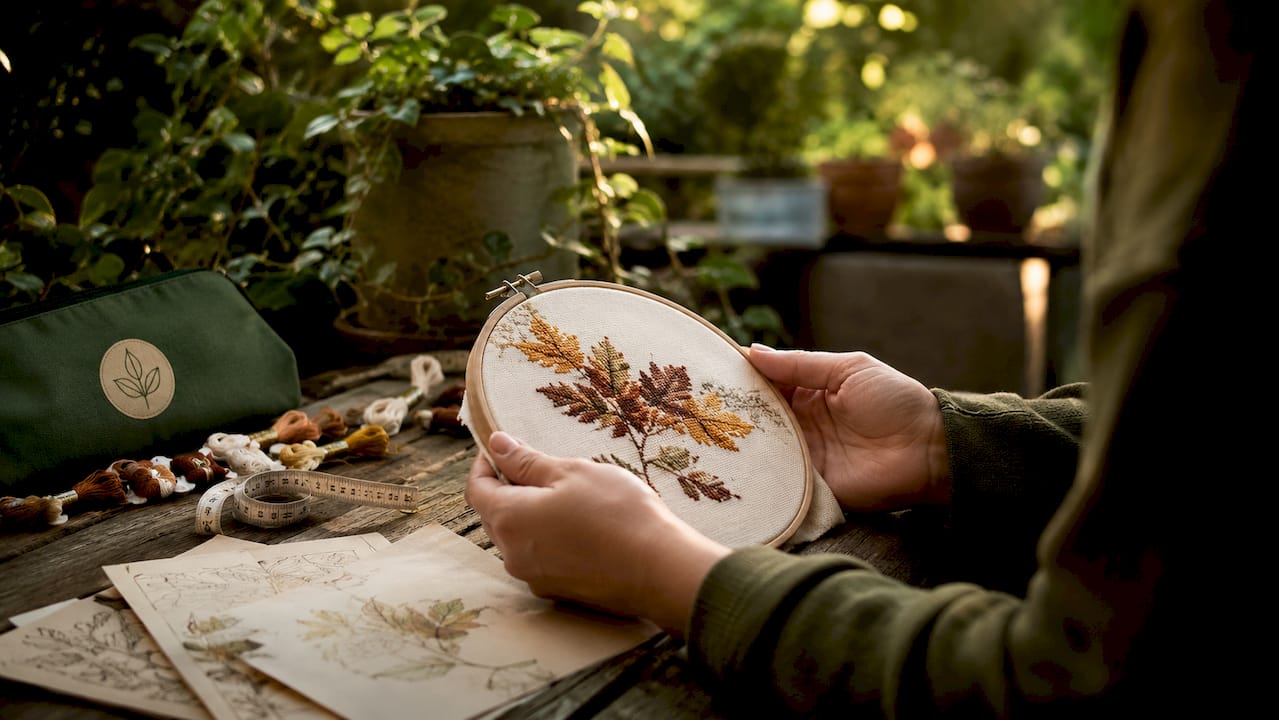
Twelve-month themed series assign a unique design to every month of the year. These often feature birth month flowers, symbolic plants, or seasonal celebrations. Monthly-themed projects tend to use smaller stitch counts, which encourages frequent creative engagement and lets you refresh your home décor regularly.
| Series Type | Typical Stitch Count | Project Duration | Best For |
|---|---|---|---|
| Four-part seasonal | Moderate to large (100×100+) | Weeks to months per piece | Long-term stitchers |
| Twelve-month themed | Small to moderate (42×56–100×100) | Days to weeks per piece | Regular, frequent stitchers |
| Long-form samplers | Very large (190×190+) | 1–3 years total | Dedicated collectors |
Both formats let you build a cohesive collection over time. The four-part series suits crafters who love deep, immersive projects. The twelve-month format suits those who enjoy variety and frequent finishes.
2. Why winter is the best season for cross stitch projects
Winter is the ideal season for slow, long-term stitching because shorter days and cooler temperatures naturally draw you indoors. Stitching daily in winter for even 10–15 minutes builds steady progress on samplers that may take years to complete. That consistency is what separates a finished heirloom from an abandoned project.
Cross stitch suits winter crafting for several practical reasons:
- Low setup cost. A hoop, needle, fabric, and DMC thread are all you need to start.
- Portable and quiet. You can stitch by a fire, on a couch, or at a kitchen table without noise or mess.
- Repetitive rhythm. The steady, tactile motion of pulling thread through fabric is naturally calming.
- Flexible time commitment. Even a 10-minute session moves a project forward.
Crafting in winter supports mental wellbeing by providing tactile, repetitive activities that regulate the nervous system and encourage mindfulness. That grounding quality makes cross stitch one of the most accessible winter hobbies for adults of any age.
Pro Tip: If you are new to winter stitching, choose a design with a stitch count under 80×80. You will finish it within the season and feel the satisfaction of a completed piece before spring.
3. How to choose fabric and thread colors for seasonal designs
Fabric color sets the emotional tone of your finished piece before you place a single stitch. Experienced stitchers match fabric to design atmosphere rather than simply defaulting to white or cream Aida. A soft blue linen evokes a winter sky. A warm oatmeal linen suits autumn harvest themes. A crisp white Aida makes spring florals pop with clarity.
Thread color choices build on that foundation. When your fabric tone is close to a DMC thread color used in the background of the design, the transition between stitched and unstitched areas looks natural rather than jarring. This technique works especially well for nature-themed and seasonal décor designs where sky, water, or foliage fills large areas.
Practical color tips by season:
- Spring: White or pale green fabric with DMC pastels in pinks, yellows, and lavenders.
- Summer: Cream or sky blue fabric with bright DMC shades in coral, turquoise, and sunshine yellow.
- Autumn: Warm linen or tan fabric with DMC earth tones in rust, gold, and deep brown.
- Winter: Soft blue, gray, or white fabric with DMC cool tones in navy, silver, and icy white.
Fabric count also matters. A 14-count Aida is the most forgiving for beginners and produces clear, readable stitches. A 28-count evenweave stitched over two threads gives a finer finish for detailed seasonal samplers.
Pro Tip: Before buying fabric, hold a skein of your dominant thread color against several fabric swatches in natural light. The combination that looks most harmonious in daylight will look best in your finished piece.
4. Most popular motifs across seasonal cross stitch themes
Every season has a visual language that stitchers return to year after year. Knowing these motifs helps you choose designs that feel authentic to the time of year and meaningful to display in your home.
Spring motifs
- Cherry blossoms, daffodils, and tulips
- Nesting birds and eggs
- Rain showers and rainbows
- Birth month flowers like snowdrops (january) and daffodils (march)
☀️ Summer motifs
- Sunflowers, lavender, and wildflowers
- Butterflies, bees, and dragonflies
- Beach scenes, seashells, and sailboats
- Lemonade, picnics, and outdoor celebrations
Autumn motifs
- Maple leaves, acorns, and pumpkins
- Harvest baskets and wheat sheaves
- Foxes, deer, and woodland creatures
- Warm lanterns and cozy cottage scenes
❄️ Winter and holiday motifs
- Snowflakes, pine trees, and deer
- Christmas samplers with lettering and borders
- Candles, mittens, and mugs of hot cocoa
- New Year’s stars and midnight skies
Top winter holiday cross stitch patterns consistently feature Christmas samplers with personalized lettering, making them popular gifts. A stitch seasonal Christmas sampler with a family name or year stitched into the border transforms a standard pattern into a keepsake. These designs work beautifully framed, mounted in a hoop, or finished as a pillow.
5. How to plan a year-round seasonal stitching practice
A year-round stitching practice works best when you treat it like a reading list: a mix of short projects for quick satisfaction and longer ones for depth. Seasonal stitching aligns with natural creative cycles, which prevents burnout and keeps crafting feeling supportive rather than forced.
Here is a practical approach to building your seasonal collection:
- Start with one season. Choose the season you feel most connected to right now. Stitch one design that represents it fully before moving on.
- Mix project sizes. Pair a large sampler with two or three small motifs from the same season. The small pieces give you quick wins while the sampler grows slowly.
- Use monthly themes to mark occasions. A birth month flower pattern makes a personal gift. Stitching it in the recipient’s birth month keeps the project timely and meaningful.
- Track your threads. Organizing your embroidery floss by color family or DMC number saves time when switching between seasonal projects with overlapping palettes.
- Rotate your display. Swap finished pieces on your walls or shelves as the seasons change. This keeps your home décor fresh and gives every finished piece a moment to shine.
- Plan ahead for holidays. Top winter holiday cross stitch patterns sell out in print editions quickly. Order or download your holiday designs by september to give yourself enough stitching time.
- Document your progress. A simple notebook or phone photo log of each project stage keeps you motivated and gives you a record of your growing collection.
Long-term seasonal projects can take up to three years to complete, but calm, consistent progress is the point. The best seasonal stitch collection is not the one finished fastest. It is the one that brings you joy every time you pick it up.
Pro Tip: Use a free fabric calculator before starting any new seasonal project. Knowing your exact fabric size prevents the frustrating discovery that your design does not fit the frame you already bought.
Key takeaways
Seasonal cross stitch design types fall into four-part seasonal series and twelve-month themed formats, each offering a distinct pace, stitch count range, and creative rhythm suited to different crafters.
| Point | Details |
|---|---|
| Two core format types | Four-part seasonal series and twelve-month themed series cover most seasonal cross stitch designs. |
| Stitch count guides project length | Designs range from 42×56 stitches for quick finishes to 190×190+ for multi-year samplers. |
| Winter favors slow stitching | Daily 10–15 minute sessions in winter build steady progress on long-term projects. |
| Fabric color sets the mood | Matching fabric tone to season atmosphere creates natural, cohesive finished pieces. |
| Planning prevents burnout | Mixing small and large projects across seasons keeps stitching enjoyable year-round. |
Why seasonal stitching has changed how I design
Seasonal stitching taught me something I did not expect: the calendar is a creative tool. When I started designing patterns tied to specific seasons, I noticed my own stitching became more intentional. I was not just filling time. I was marking it.
The crafters I hear from most often are not looking for the fastest project or the most complex chart. They want something that feels right for right now. A winter design stitched in january feels different from the same design pulled out in july. Timing matters. Seasonal designs give that timing a shape.
What I have found is that the best seasonal stitch collection is not a complete set of twelve months or four seasons. It is the collection that reflects your actual life. Maybe you only stitch in autumn and winter. Maybe you love spring florals but skip summer entirely. That is perfectly fine. The goal is joy, not completeness.
My honest advice: start with the season you are in. Do not wait for january 1st or a new quarter. Pick up a design that matches the light outside your window right now and begin. The rhythm will follow.
— Simone
Simone Balman Art seasonal patterns and planning tools
Simone Balman Art offers a growing collection of seasonal and monthly-themed cross stitch patterns, from birth month florals to holiday designs, all available as instant digital downloads or printed editions.
Before you start your next seasonal project, use the fabric size calculator at Simone Balman Art to find exactly how much fabric you need. It takes the guesswork out of planning and helps you frame your finished piece perfectly. You can also browse the full range of modern seasonal patterns to find designs that match your home style and the season ahead. Every pattern comes with clear charts and a focus on an enjoyable stitching experience, whether you are a beginner or a seasoned stitcher.
FAQ
What are the two main seasonal cross stitch design types?
The two main types are four-part seasonal series, which cover spring, summer, autumn, and winter, and twelve-month themed series, which assign a unique design to each month of the year.
How long does a seasonal cross stitch sampler take to finish?
Project length depends on stitch count and daily time commitment. Smaller monthly designs may take days to weeks, while large samplers exceeding 190×190 stitches can take one to three years with consistent daily stitching.
Why does cross stitch suit winter crafting so well?
Winter encourages indoor, slow-paced activities, and daily stitching sessions of 10–15 minutes build steady progress on long-term projects while supporting mental wellbeing through tactile, repetitive motion.
What fabric count works best for seasonal cross stitch designs?
14-count Aida is the most beginner-friendly option and produces clear, readable stitches for most seasonal designs. Stitchers seeking finer detail on large samplers often choose 28-count evenweave stitched over two threads.
How do I build a seasonal cross stitch collection without feeling overwhelmed?
Start with one season and one design. Mix a larger sampler with a few small motifs to balance quick finishes with long-term progress. Organizing your floss by DMC number from the start makes switching between seasonal projects much easier.


